
Para fazer uma doação on-line segura, clique no botão abaixo

In the arid, wind-swept landscape of Turkana County in northwest Kenya, the Kakuma Refugee Camp has stood for over three decades as both a refuge and a site of tension. Home to more than 300,000 refugees representing over 22 nationalities, Kakuma has become a symbol of endurance and complexity. Yet beneath the surface lies a community grappling with urgent questions of identity, integration, and justice.
In April 2025, the Auschwitz Institute’s Refugee ProtectionProgram (RPP), in partnership with the National Cohesion and IntegrationCommission (NCIC) and the Refugee Consortium of Kenya (RCK), publicly launched a new initiative to strengthen social cohesion between refugees and the host community in Turkana.
This two-year project represents the newest chapter in RPP’s global mission to help build national protection systems that prevent displacement crises, human rights abuses, and mass atrocities before they escalate.
For the Auschwitz Institute’s Refugee Protection Program(RPP), this initiative is not a standalone effort—it is part of a structured, multi-phase approach to strengthening protection systems. This project also marks our entry into the third phase in Kenya: providing expert policy support and deepening long-term collaboration with local and national stakeholders.
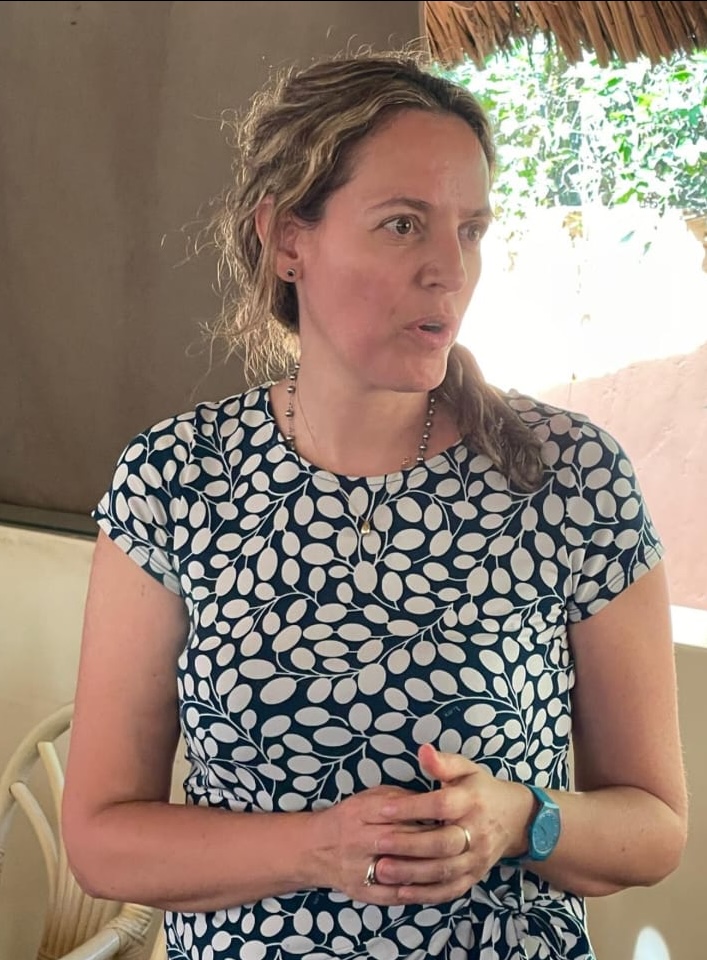
Our mission began when we landed in Lodwar on April 28 and traveled to Kakuma. I knew this would be more than just another field visit.Turkana is vast, hot, and full of challenges. Kakuma, one of the oldest refugee camps in Africa, has become a permanent home for thousands displaced by war and crisis. But it’s also a place where labels—refugee, host, migrant, foreigner—continue to divide communities trying to coexist.
From April 28 to May 1, I joined colleagues from theNational Cohesion and Integration Commission (NCIC) and our implementing partner RCK on the ground to launch a project focused on promoting peaceful coexistence between refugee and host communities in Kakuma and Kalobeyei.
I was accompanied by Jacob Amai, Director of AIPG’s AfricaOffice. His presence underscored our shared commitment to addressing the complex dynamics at play, and it was key in formalizing our role as financialpartners in the initiative. Our focus was not simply identifying problems—itwas about fostering honest dialogue, mutual respect, and, most importantly,recognizing our shared humanity.
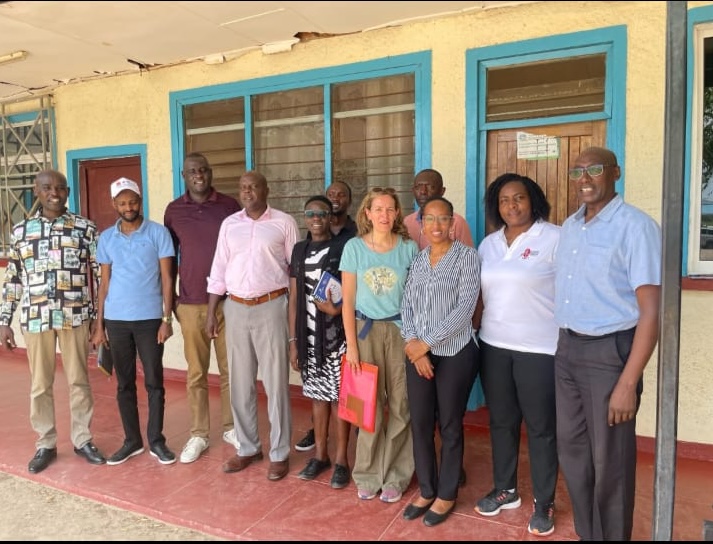
This visit was rooted in listening—to the county government, local leaders, youth and women’s groups, faith-based actors, and, above all, to refugees and hosts themselves. We met with the Turkana County Commissioner, theDeputy Governor, the County Assembly Speaker, and representatives from theDepartment of Peacebuilding and Conflict Management. Their message was clear:people are eager for change but tired of broken promises.
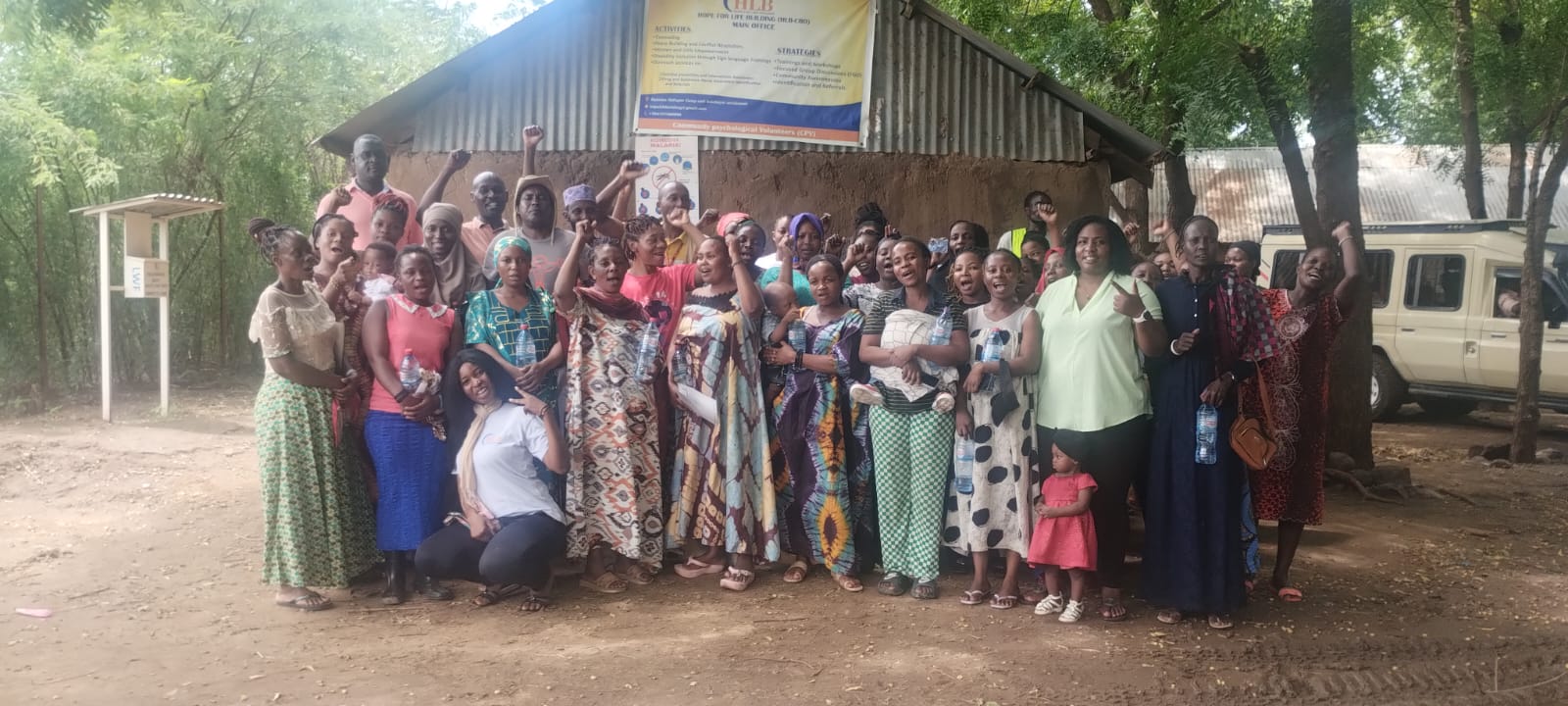
On April 29, we convened a stakeholder consultative forum in Kakuma under the theme “Promoting Social Cohesion for Peaceful Coexistence.”Participants from both refugee and host communities spoke candidly about the challenges: mistrust, fragmented communication, competing needs, and a lack of platforms for meaningful dialogue. The forum didn’t resolve these issues, but it opened the door for dialogue.
Uma frase voltava sempre à tona: “Somos iguais”. Podemos ter origens diferentes, sim — mas compartilhamos as mesmas necessidades de proteção, dignidade e pertencimento. Esse reconhecimento é significativo. É um começo.
.jpeg)
Seria negligente não mencionar um desafio fundamental que surgiu durante o fórum. Muitas partes interessadas, especialmente da comunidade, viram o projeto como uma fonte potencial de benefício financeiro direto. Há grandes expectativas de que essa iniciativa “traga algo” de concreto. Isso é comum em contextos humanitários, especialmente quando a fadiga dos doadores e as necessidades não atendidas são generalizadas.
Mas também é um sinal de alerta. É essencial gerenciar as expectativas e comunicar claramente os objetivos do projeto. Esta iniciativa visa fortalecer relacionamentos, promover o diálogo e melhorar a proteção — e não prestar serviços diretos. Trata-se de um trabalho delicado e metódico. E deve ser realizado com transparência.
Some confusion also emerged regarding the Shirika Plan, aKenyan government framework for refugee integration. While that plan provides important national context, our project is not part of it. Rather, our work complements national efforts while standing on its own—grounded in RPP’s prevention methodology and focused on practical, policy-based support.
This mission allowed us to build trust, connect with keyactors, and take that critical first step—together. The next phase will focus on supporting a participatory process that invites both refugee and host community members to co-design a roadmap for social cohesion in Turkana. The sense of local ownership we witnessed gives us hope. Implementation will be led by NCIC and RCK.
For AIPG’s Refugee Protection Program, this work represents exactly what we strive to do: embed long-term solutions in the places where they’re most needed.
Kenya is now part of that story. And Kakuma, with all its challenges, is helping us write the next chapter.
.jpeg)